
Within international business ecosystems, visual appeal or appearance functions as an unwritten baseline corporate workplace expectation. The alignment of a wardrobe does more than reflect personal preference; it establishes a baseline metric of structural awareness, attention to detail, and executive presence.
A unique styling inversion frequently manifests across corporate hubs, particularly within the Indian corporate landscape. A notable portion of the workforce tends to default to a reversed chromatic matrix: pairing light-colored trousers (such as cream, light beige, or pale grey) with highly saturated, dark dress shirts—including solid black.
While this styling combination is popularized by casual retail advertisements and evening social wear, it contradicts established international corporate dressing rules for men. In high-stakes business formal settings, this inversion can subtly compromise professional authority before a meeting or presentation even begins.
At the Corporate Skills Lab, this article decodes the principles of formal color contrast, evaluates why solid black shirts violate traditional corporate codes, and establishes the correct chromatic blueprint for global business operations.
🔬 The Lab Blueprint: Chronological Contrast Rules
- The Foundation of Corporate Contrast: Light Top, Dark Bottom
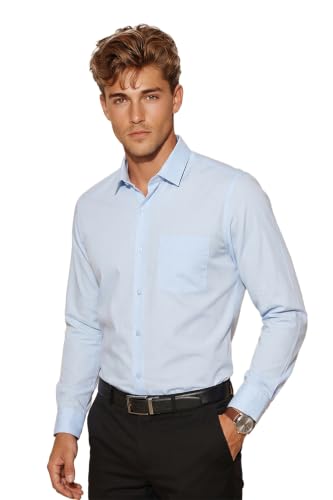
Traditional corporate tailoring codes are anchored to a clear visual hierarchy: the upper body garment must possess a lighter color value than the lower body garment. This pattern naturally directs the observer’s focus upward toward the face, as brighter colors attract more than darker ones, optimizing visual engagement during synchronous business discussions.
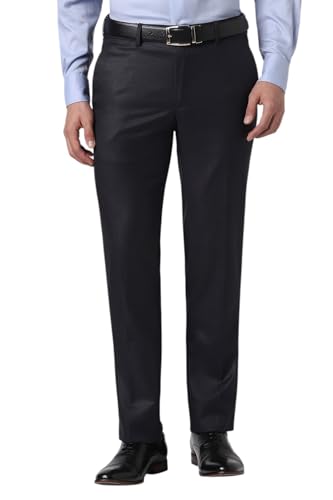
- The Standard: Crisp white, light blue, pale pink, lavender, or soft grey shirts paired with midnight navy, charcoal grey, deep slate, or black trousers.
- The Inverted Error: Reversing this order by anchoring the lower half with cream or light color trousers while wearing a highly saturated dark top creates a heavy downward visual pull. While acceptable in creative fields or smart-casual configurations (not business casual either), this inversion detaches an individual from the baseline styles of the Business Professional tier.
- The Black Dress Shirt Paradox
A common assumption is that because a black suit is highly formal, a solid black dress shirt must naturally convey equivalent boardroom authority. In strict professional wardrobe governance, this is incorrect.
- The Execution Friction: A solid black dress shirt pushes the visual narrative too far into evening nightlife, social entertainment, or hospitality service contexts. It lacks the corporate heritage required for high-stakes B2B negotiations, board meetings, or investor pitches.
- The Technical Reality: Black fabric absorbs light entirely, making it highly difficult to cleanly pair with traditional neck-wear or structured ties without creating a jarring, uncalibrated visual block. For true formal compliance, black shirts should be permanently reserved for post-work social events, casual Fridays, or creative industries—never for critical executive delivery reviews.
- The Compounding “Signal” Vulnerability
Failing to calibrate the contrast value of an office wardrobe often stems from the same gap in foundational grooming education that leads to other professional style missteps.
Allowing these minor details to slide can quickly aggregate into a broader presentation deficit. When as a professional we adopt a wardrobe structured on authoritative, globally recognized tailoring rules, our internal confidence and strategic focus experience measurable spikes. Correct visual alignment doesn’t just shape how the people around us evaluate us; it actively calibrates how self-confident we feel.
🧬 The Lab Report Summary: The Chromatic Blueprint
To guarantee absolute alignment with international business standards for corporate dressing rules for men, as professionals we should verify our daily wardrobe choices using this three-point checklist:
- Secure the Contrast Ratio: Ensure the shirt color remains distinctly lighter than the trousers.
- Anchor the Base: Invest in premium trousers or business suits in midnight navy, charcoal, or deep slate as the core foundational blocks of the wardrobe layout.
- Keep Shirts Light and Crisp: Prioritize solid cotton button-downs in white and soft powder blue to maximize versatility and guarantee an authoritative presence in any global meeting.
Explore our foundational thought leadership analysis on White Socks Syndrome to understand how subtle wardrobe discrepancies can unintentionally signal a lack of compliance and discipline to international business clients.
As an Amazon Associate, we earn from qualifying purchases at no extra cost to you.