
In an automated work environment where algorithms optimize logistical pipelines, balance sheets, and code repositories, execution alone is no longer a premium asset. True career growth is for those who can align human minds, secure buy-in, and guide stakeholders toward a common destination.
Many professionals mistakenly view influence through a cynical lens, equating it with manipulation, transactional wheeling-dealing, or political arm-twisting. However, short-term manipulation is unsustainable; it destroys your equity and burns bridges.
True influence and persuasion are an ethical science. It is the capacity to present ideas clearly to others so that they are willingly choose to collaborate with you. To make your influence sustainable, your approach must be grounded in integrity. Think of your core values as the equivalent of Retrieval-Augmented Generation (RAG) in Artificial Intelligence. Just as a RAG anchors an AI model to a verified database to prevent erratic hallucinations, your core values anchor your persuasion techniques to an ethical baseline, ensuring your influence never drifts into manipulation.
As we explored in our previous deep-dives on “High-Stakes Tact: Navigating Corporate Politics” and “Strategic Persuasion: Inspiring Authentic Alignment,” your long-term reputation is your highest currency. By understanding human psychology, you can master ethical persuasion to accelerate your project outcomes and future-proof your career.
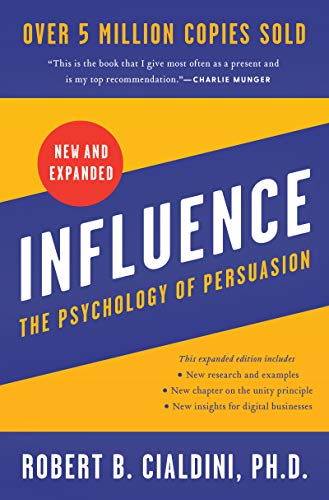
At the Corporate Skills Lab, we treat behavioral dynamics as a systematic framework. Here is how to apply the 6 foundational principles of influence—pioneered by social psychologist Dr. Robert Cialdini—while maintaining your ethical grounding.
🔬 The Lab Report: Deconstructing the 6 Principles of Ethical Workplace Influence
To build alignment, we must understand the triggers that drive human decision-making. Let us look at how Dr. Robert Cialdini’s six universal principles operate inside everyday workplace interactions.
- Reciprocity (Win-Win)
- The Psychology: People naturally feel obligated to return favors, concessions, or helpful gestures extended to them.
- Workplace Example: Before asking the development team for an urgent dashboard update, you proactively share a template you built that automates their weekly query, saving them hours of manual effort.
- The Ethical RAG Anchor: Do not treat reciprocity as a calculated, transactional trap. Extend genuine value, share knowledge openly, and support peer initiatives without strings attached. The capital you build will naturally open doors when you need support later.
- Scarcity (Value)
- The Psychology: Humans place higher value on opportunities, resources, or insights that are rare, time-sensitive, or exclusive.
- Workplace Example: When pitching a pilot project to your leader, you frame the proposal around a limited, underutilized tool: “We have an open, four-week window to test this AI integration package without drawing from next quarter’s budget.”
- The Ethical RAG Anchor: Never create fake urgency or shorten deadlines to force a rushed decision. Scarcity should be backed by real parameters and data to protect your credibility.
- Authority (Credibility)
- The Psychology: People naturally defer to individuals who display verified expertise, specialized knowledge, and credibility.
- Workplace Example: When proposing a change to a client, you don’t simply offer an opinion. You lead with verified data, case studies, or bring in a subject matter expert to validate the shift.
- The Ethical RAG Anchor: Authority should never be used as a political hammer to silence healthy team debate. Executive presence means using your expertise to inform and lift the room, not to demand blind compliance.
- Consistency (Commitment)
- The Psychology: Humans experience a psychological need to be consistent with their values, commitments, and positions.
- Workplace Example: During a discovery session, you get stakeholders to agree to a goal: “Do we agree that reducing client onboarding times by 20% is our top priority this quarter?” When you present the solution later, you align it with that initial commitment.
- The Ethical RAG Anchor: Avoid backing people into corners or manipulating them into traps. Use consistency to help teams stay aligned with their own stated mission, project metrics, and values.
- Liking (Connection)
- The Psychology: We are far more likely to say “yes” to, collaborate with, and support people we genuinely like, respect, and share common ground with.
- Workplace Example: Instead of launching straight into an agenda during cross-functional syncs, you take time to recognize peer achievements, actively listen to their challenges, and find shared professional interests.
- The Ethical RAG Anchor: Authentic connection cannot be made of flattery or fake politeness. It requires contextual empathy, deep listening, and a sincere respect for the challenges your colleagues face.
- Consensus / Social Proof (Validation)
- The Psychology: When navigating ambiguous or complex grey areas, individuals look to the behaviors, choices, and actions of their peers to guide their own decisions.
- Workplace Example: To convince a skeptical operations team to adopt a new agile methodology, you share a quick case study showing how a parallel team within the organization successfully used the same framework to reduce project delays.
- The Ethical RAG Anchor: Never cherry-pick success metrics or misrepresent team opinions to create a false sense of agreement. Use social proof transparently by showcasing genuine success stories to reduce the anxiety around change.
📋 3 Rules to Scale Your Influence in the AI Era
Rule 1: Use Data as the Blueprint, but Persuade through Human Value
In the AI era, anyone can generate a data report or run a predictive analysis model in seconds. However, data alone rarely changes human behavior. While large language models excel at synthesizing information, they cannot build human trust or sense the subtle undercurrents in a meeting room. Your competitive moat lies in translation. Take the metrics provided by your systems and frame them around human impact and strategic value.
Rule 2: Keep Your Persuasion Filters Transparent and Public
The thin line between high-impact persuasion and manipulation is transparency. If your strategy relies on keeping stakeholders in the dark, withholding information, or using isolated silos to your advantage, it violates ethics and core values. Ensure that your arguments, data sources, and intended project outcomes remain open to scrutiny. Ethical persuasion is always fully defensible under a public lens.
Rule 3: Frame Every Initiative Around a True Win-Win Horizon
To get what you desire out of your career—whether that is project budget, executive visibility, or resource allocation—you must ensure that the people helping you get their win as well. According to research compiled by The Cialdini Institute, persuasion that fails to deliver mutual value inevitably triggers buyer’s remorse, leading to project abandonment and a permanent drop in professional trust. Influence is about expanding the corporate pie, ensuring that your advancement elevates your entire team.
🧪 The Lab Report Summary: The Non-Negotiable Edge
Mastering influence and persuasion is the power skill for the future of work. While automated workflows can track project deliverables, they cannot inspire humans, navigate emotions, or build alignment.
By moving past manipulation, anchoring your persuasion techniques to your core values at work, and applying Cialdini’s six principles, you can build a strong professional presence. Leading your discussions with integrity will make you highly respected, influential, and well-positioned for long-term leadership roles.
As an Amazon Associate, we earn from qualifying purchases at no extra cost to you.