While chat tools [office chat etiquette] handle quick updates and emails manage formal documentation, real-time voice conversations remain the ultimate mode of communication for resolving complex workplace challenges. An audio or video conversation conveys tone, urgency, and structural nuance in a way that text simply cannot replicate.
However, in the era of hybrid offices, voice communication has evolved far beyond traditional mobile networks. Today, our verbal interactions happen via Slack Huddles, Microsoft Teams, Zoom, and WhatsApp Web Calls or even traditional phone calls. Because these digital tools seamlessly blend into our laptops, many professionals treat audio calls with a casualness that can subtly damage their professional credibility.
At the Corporate Skills Lab, we have updated traditional corporate phone etiquette into a high-performance framework for modern digital audio and telephone setups. Here are six essential rules to maximize clarity, efficiency, and authority every time one speaks.
🔬 The Lab Report: 6 Phone Etiquette Rules for Digital Audio Success
1. Respect Synchronous Boundaries (The Context Check)
In a hybrid workplace [also read hybrid work digital etiquette], launching an unscheduled audio call or a sudden Slack Huddle can feel disruptive to someone deep in a flow state of work. Manage real-time voice connections using these strict parameters:
- Scheduled Audio: Dial into the link exactly at the designated minute or two before and proactively keep an eye on the clock to wrap up on time.
- Unscheduled Huddles/Calls: Never launch straight into a complex problem without checking context first. Always drop a rapid chat text or open the voice channel with: “Hi [Name], would you please have few minutes for a quick alignment on the budget, or should I ping you later?”
- Operational Hours: Respect local time zones. Never trigger a digital call outside a colleague’s standard operating hours unless they have explicitly requested or approved an off-hours discussion.
2. Control Your Acoustic Environment
The background noise on the audio feed tells the listener exactly how seriously they take their time. As much as possible, match the physical location to the high-stakes reality of corporate operations:
- For routine, internal team check-ins, calling from standard home office setup or open workstation is perfectly acceptable.
- For critical vendor negotiations, performance reviews, or client-facing conversations, move entirely into a private huddle room or quiet phone booth to eliminate background chatter and distraction.
3. Practice Concise Front landing (Avoid Identity Games)
Professional communication requires zero friction. Never open an official call with playful ambiguity like, “Hey, guess who this is?” or assume the recipient instantly recognizes the profile avatar or voice over a shaky connection. Even if you interact daily, front land your identity immediately:
- “Hi Jane, this is John from the Project Management team.” This establishes instant operational context and lets the recipient focus entirely on the issue at hand.
4. Enforce a Zero Food Consumption Rule
Eating, sipping a loud beverage, or chewing gum while on a live digital audio feed is an immediate reputational hazard. High-sensitivity laptop and headset microphones catch and amplify wet mouth sounds with alarming clarity. This distracts the listener and signals a profound lack of respect. Keep the vocal tract clear and finish eating completely before clicking “Join Call.”
5. Commit to Absolute Mono-Tasking i.e. Avoid Multi-Tasking
It is a psychological myth that humans can multitask effectively during real-time voice calls. If we are typing an email, scrolling through a chat thread, or reviewing unrelated documents while a colleague is speaking, they will easily hear the delayed verbal responses and the rhythmic click of the keyboard. Treat digital audio interactions with the exact same focus as an in-person boardroom meeting. Close secondary browser tabs, stay fully present, and take notes to maintain active listening.
6. Honor the Integrity of the Callback
If you receive a sudden call or Huddle invite while occupied, do not ignore it indefinitely. Drop a quick text or decline the invite with a brief note: “I am tied up in a deployment right now, but I will call you back at 3:00 PM. Hope it works.” Once you make that commitment, you must execute it, and it is a crucial phone etiquette. Send a calendar invite if required. Calling back precisely when promised signals execution capacity, reliable time-management skills, and baseline integrity.
🎧 The Lab Bonus Tip: Invest in Acoustic Hardware
Never rely on the laptop’s default internal speakerphone or a low-quality built-in microphone for professional business. Built-in microphones pick up massive room echo and distort the voice over VOIP platforms.
Always use a high-quality set of dedicated external headphones or noise-canceling earplugs. Excellent hardware filters out external workplace disturbances and significantly enhances vocal clarity, ensuring one sounds authoritative, crisp, and professional to the listener.
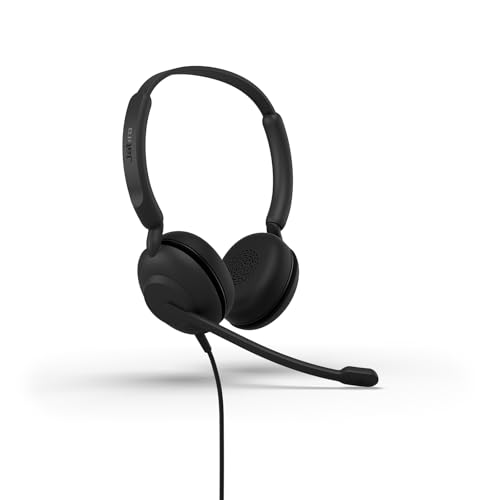
- IMPORTANT WARRANTY NOTICE – To ensure product authenticity and eligibility for Jabra warranty support, please note that …
- CRYSTAL-CLEAR CALLS WITH NOISE-CANCELLING MICROPHONE – Communicate confidently with a professional noise-cancelling micr…
- PLUG & PLAY USB-A CONNECTIVITY – Get started instantly with a simple USB-A connection—no complicated setup required. Com…
As an Amazon Associate, we earn from qualifying purchases at no extra cost to you.