The corporate world has shifted away from rigid daily suits on a normal workday. In today’s hybrid workplace, business casual has become the standard dress code. However, this shift toward casual clothing has created a major misunderstanding. Many professionals mistake “casual” for “sloppy.”
Every day at the office is a personal branding opportunity. The way an employee dresses during casual days still builds powerful perceptions regarding their discipline and growth potential. For Gen Z professionals entering the modern workspace, dressing smart-casual is a massive competitive advantage. While others show up looking ready for a weekend lounge, dressing intentionally projects leadership readiness early in a career.
At the Corporate Skills Lab, we treat professional style as a key tool for career growth. Here are the clear business casual rules for men to build a smart wardrobe that aligns with company policy and strengthens your personal brand.
🔬 The Lab Rules for Men’s Business Casuals
- The Upper Wear Protocol: Say No to Graphic Tees
The most common error in a relaxed workplace is dropping collars entirely.
- What to Avoid: Round-neck t-shirts are not acceptable for a professional corporate environment. Even worse are graphic t-shirts featuring jokes, memes, or messages like “My Dad is an ATM… and I’m the Debit Card” These choices look immature and immediately restrict an individual’s professional authority.
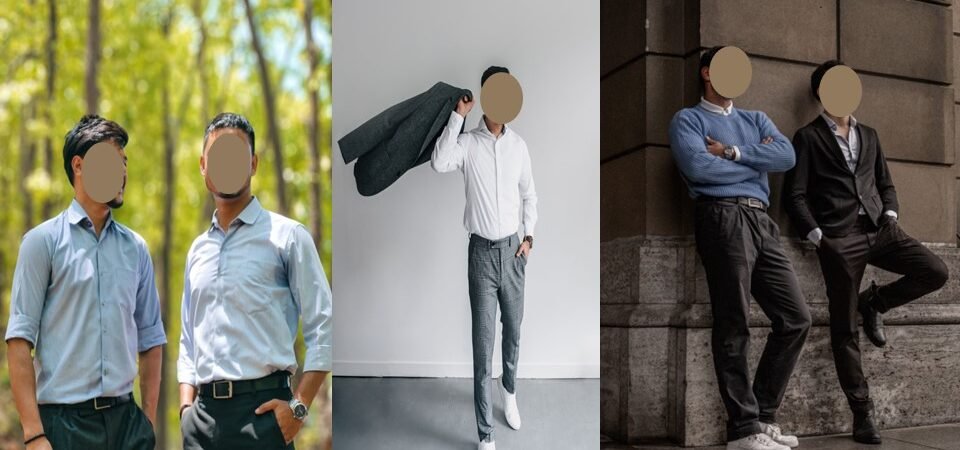
- The Standard: Stick to the basics. Crisp polo t-shirts in solid colors (navy, black, grey, dark green) are acceptable if the fabric is clean and unwrinkled. The absolute gold standard for business casual is a casual button-down shirt (like an Oxford cotton shirt) with the sleeves neatly rolled up to the mid-forearm if required.
- The Lower Wear Boundaries: Banish Cargo and Shorts
Shared office spaces require clear physical boundaries, and that applies to your clothing layout as well.
- What to Avoid: Casual shorts and cargo pants are completely unacceptable for the office floor. Cargo pockets look bulky, and shorts are meant for the beach, not a business desk. Mark Zuckerberg may pull it off, but well he is Mark Zuckerberg. Heavy distressed jeans with rips or tears also clash with basic office etiquette.
- The Standard: Invest in well-fitted chinos or smart non-pleated trousers in neutral tones like khaki, beige, navy, olive, or charcoal. Dark, clean, straight-fit denim (with zero fading or rips) is acceptable in most modern hybrid setups, provided it is paired with a collared shirt or a polo.
- Footwear and Casual Accessories Calibration
Accessories should enhance a professional brand, not create noisy distractions.
- Footwear: Ditch the gym sneakers and flip-flops. Go for clean leather boots, loafers, suede driving shoes, or minimalist, solid-colored sneakers (white or black with zero loud logos). Always pair them with dark, invisible liner socks or matching socks. [wearing-boots-to-work-mens-guide]
- Accessories: Keep it simple. A clean, classic wristwatch with a leather or metal strap is perfect. Avoid wearing multiple flashy street-wear chains or woven wristbands, which lean too casual. Ensure the work bag is a clean backpack or messenger bag, free from clutter.
- The Policy Anchor
Every individual choice must ultimately align with the official company policy. If the employee handbook states that denim is only allowed on Fridays, trying to push the boundary on a Tuesday looks rebellious rather than modern. Aligning individual style with company policy proves that a professional respects the organization’s governance while building their own executive identity.
🧪 The Lab Report Summary: The Casual Filter
Business casual is not an invitation to dress for a weekend lounge. It is a strategic opportunity to project professionalism while enjoying daily physical comfort. By replacing graphic tees with collared options, avoiding shorts or cargo cuts entirely, keeping accessories clean, and strictly following the official company policy, professionals can build an authoritative visual brand. Before leaving the house, run this simple test: If an unexpected meeting with an executive or client is scheduled in 30 minutes, does this attire project leadership readiness? If the answer is no, calibrate the wardrobe accordingly.

As an Amazon Associate, we earn from qualifying purchases at no extra cost to you.