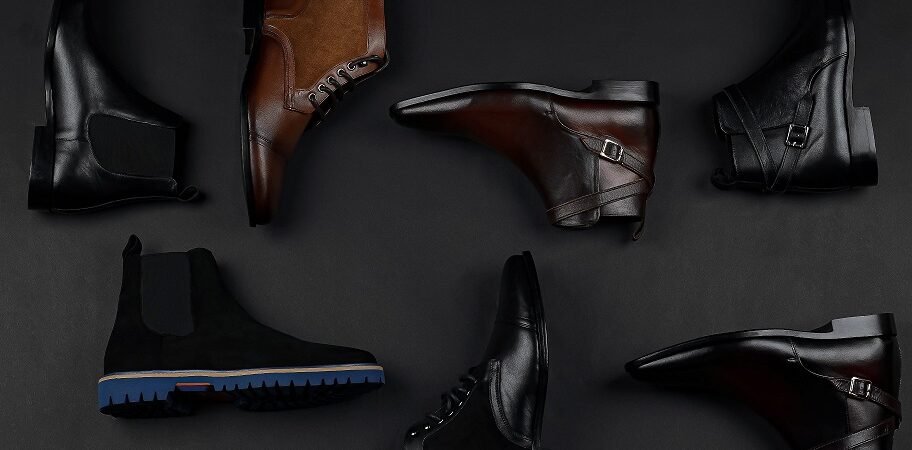
When building a professional wardrobe, footwear is often one of the most critical foundation blocks. Most corporate style guides focus strictly on traditional oxford shoes or loafers. However, a powerful footwear option is frequently overlooked: a pair of boots.
While wearing boots to work is a standard authority look in global business hubs like New York, London, and Tokyo, it remains highly uncommon in the Asian corporate landscape. This lack of popularity represents a massive opportunity. Introducing a sharp, clean pair of boots into an office rotation instantly elevates a professional brand, helping an individual stand out with substance, structure, and style.
At the Corporate Skills Lab, we break down professional style into practical science. Here is the definitive global guide to navigating boot types, shopping for the right fit, and mastering the corporate boot protocol cleanly.
🔬 The Positives: How Boots Add Substance to Your Personality
Ditching standard flats or low-profile shoes for a pair of structured boots offers distinct professional advantages:
- Projects Immediate Authority: Boots add literal and psychological height. A sturdy leather boot changes an individual’s posture, forcing the shoulders back and stabilizing their walk-through office corridors. This structural shift projects executive presence and decisiveness.
- Visual Anchoring: Traditional shoes can sometimes get lost under modern tailored trousers. Boots provide a solid visual anchor at the bottom of your silhouette. This creates a clean, intentional look that signals high attention to detail.
- All-Weather Resilience: Unlike delicate thin-soled dress shoes, high-quality boots are built to withstand elements. They protect professional outfits from sudden downpours, dusty commutes, and temperature changes while keeping feet dry and comfortable.
👞 The Two Corporate Style Matrices
To wear boots in a professional environment safely, a professional must understand the boundary between formal and casual styles of boots.
- The Formal Matrix: The Boardroom Standards
Formal boots can easily replace traditional dress shoes under a full business suit or sharp tailored trousers. Stick to sleek profiles and smooth leather finishes. [Also read Chromatic Mistakes in Men’s formals]
- The Chelsea Boot: This is the absolute king of corporate boots. Characterized by its clean leather top, rounded or almond toe, and elastic side panels, it slips on smoothly and sits invisibly under trouser cuffs.
👉 Our Recommendation: Best Formal Black Leather Chelsea Boots [Affiliate link] - The Dress Boot: They look exactly like a premium leather Oxford or Derby shoe from the front, but they extend up past the ankle with clean laces. They look incredibly sharp under a crisp corporate suit.
👉 Our Recommendation: Premium Men’s Leather Dress Boots [Affiliate link]
- The Business Casual Matrix: Relaxed Authority
When the office dress code moves to smart-casual or Friday dressing, textures can lean slightly more relaxed. [Also read Style Guide to Men’s Business Casuals]
- The Chukka Boot: An ankle-high boot featuring exactly two or three pairs of lace eyelets. In dark brown, tan, or charcoal suede, chukkas pair beautifully with clean chinos or smart dark denim.
👉 Our Recommendation: Elegant Men’s Suede Chukka Boots [Affiliate link]
🚫 The Complete No-No List for Work
Certain styles completely destroy corporate credibility and come across too casual to project professionalism. Leave these variants at home for personal styling only:
- Combat & Heavy Lug-Sole Boots: High-lace tactical boots look too aggressive and hostile for a collaborative office bay.
- Industrial Work Boots: Thick, yellow, or heavily reinforced steel-toe construction boots (like a classic Timberland) look rugged and messy, indicating an outdoor job site rather than a professional desk space.
- Cowboy or Western Boots: Heavily pointed toes, loud metal buckles, and tall slanted heels create a theatrical look that distracts from professional value.
⚠️ The Negatives: What to Keep in Mind
While boots look exceptional, they require deliberate consideration before integration:
- Olfactory and Heat Management: Because boots enclose the ankle completely, they trap heat more effectively than shoes. In warmer regions like South Asia, this can cause sweat accumulation. Always wear moisture-wicking, breathable cotton or merino wool socks, and never wear the same pair two days in a row.
- The Airport Security Friction: If your role requires frequent corporate travel, keep in mind that ankle-high boots almost always trigger airport metal detectors or security screening mandates, forcing you to constantly unlace them at transit checkpoints.
🧪 The Lab Guide: Shopping, Comfort, and Maintenance
🛒 How to Shop for Boots
- Do Not Shop Online First: Just like formal shoes, foot shapes vary wildly. Visit a storefront to try them on physically. Shop in the late afternoon or evening when your feet are slightly swollen from daily movement to ensure the fit isn’t too tight.
- Verify the Sole Profile: For office wear, look for leather soles or thin, low-profile rubber soles. Avoid thick, chunky tread tracks that look like hiking gear.
- Invest in Quality Leather: Avoid cheap synthetic or plastic leathers. They do not breathe, they crack quickly, and they cause odor. Full-grain or top-grain leather is a financial investment that pays off over years of use.
🛋️ How to Easily Get Comfortable
New leather boots can feel stiff out of the box, leading to painful friction points. Build comfort and settle in your new boots slowly:
- The Double-Sock Method: For the first 3 to 5 days, wear your new boots around your house for 2 hours daily, ideally while wearing two pairs of socks if you can. This gently stretches the leather walls safely.
- Incremental Office Wear: Do not wear a brand-new pair of boots on a day when you have a 10-hour standing event or a long client tour. Wear them on a quiet desk day first to let the foot bed shape to your step. Use insoles for increased comfort if required.
👉 Our Recommendation: Premium Orthotic Insoles for Work Boots [Affiliate link]
🧽 How to Care for Them
To ensure your boots last through your wardrobe timeline given they come at a higher cost than regular shoes, automate this basic maintenance checklist:
- Use Shoe Trees: Insert cedar wood shoe trees into your boots immediately after taking them off. They absorb interior moisture and prevent the leather around the toe from wrinkling or cracking.
👉 Our Recommendation: Natural Cedar Wood Shoe Trees [Affiliate link] - The Rotation Rule: Give your boots 24 hours to air out between wears.
- Conditioning Protocol: Wipe your boots with a damp cloth weekly to remove dust. Apply a quality leather conditioner once a month to keep the skin supple and hydrated.
👉 Our Recommendation: Professional Leather Conditioner and Polish Kit [Affiliate link]
🧪 The Lab Report Summary: The Strategic Footstep
Choosing to wear a clean, high-quality pair of Chelsea or dress boots to the office is a highly deliberate personal branding decision. By steering completely clear of bulky work boots, focusing on premium leather textures, and managing internal hygiene systematically, professionals can introduce an element of substance, authority, and refined global style to their workspace presence.
As an Amazon Associate, we earn from qualifying purchases at no extra cost to you.