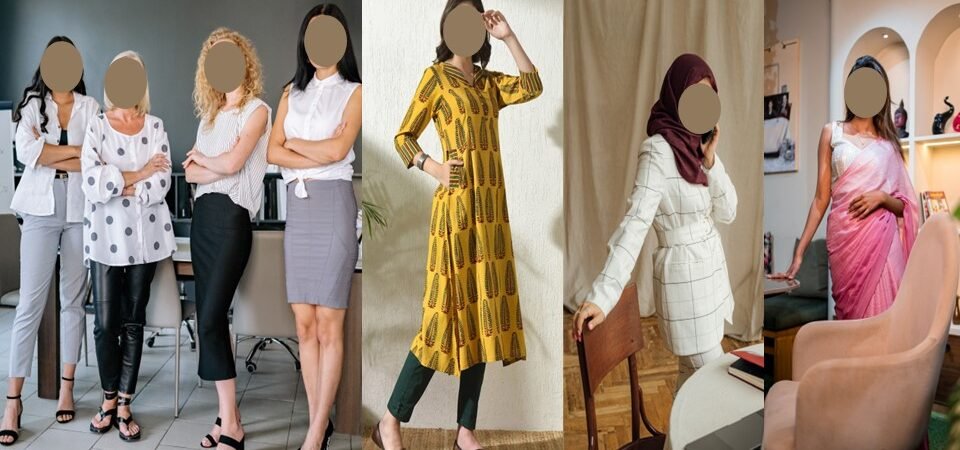
Navigating professional styling in the modern hybrid workspace requires a good understanding of visual presentation that is well balanced and exudes confidence. Deciding on a specific dress code for employees is a vital brand-building exercise for organizations. On an individual level, it is a personal branding power move that commands respect even before a single word is spoken.
For women professionals, particularly within globalized business hubs, the corporate women’s formal dressing has evolved into a versatile matrix. It demands a seamless blend of classic Western corporate tailoring and sophisticated Indian ethnic formal wear.
At the Corporate Skills Lab, we treat personal presentation as a science. This guide provides a definitive structural blueprint to master both corporate matrices effortlessly while optimizing mobility, fabric functionality, and executive presence to build a solid personal brand.
🔬 The Lab Blueprint: Two Corporate Style Matrices for Women’s Formal Dressing
- The Western Corporate Matrix: Tailored Authority
Western formal attire forms the baseline language of global corporate operations. To project absolute executive readiness, wardrobe selections need to follow strict structural rules:
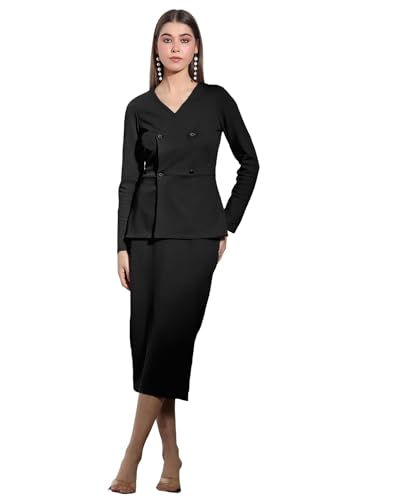
- Structured Layers: A well-fitted, sharp blazer serves as the ultimate anchor. Deep, timeless tones—such as charcoal grey, navy blue, and solid black—project operational weight. The garment must fit comfortably across the shoulders, allowing full range of movement when sitting at a workstation or in a meeting room.
- Trousers & Coordinates: Formal trousers should be straight or wide-legged with a clean break at the ankle. Sheath dresses and formal skirts may ideally sit at or slightly below the knee. Pair these with crisp button-down shirts or high-quality silk/viscose blouses.
- The Fit Test: Avoid overly constrictive cuts that cause constant adjustments during long project deliveries.
- The Indian Corporate Ethnic Matrix: Refined Sophistication
Indian ethnic wear is deeply rooted in culture and yet very adaptable to the professional business context, offering an unmatched level of dignity and authority when executed with formal corporate parameters.
🥻 The Corporate Saree Protocol
Sarees are highly respected in executive boardrooms, senior leadership tiers, and client-facing delegations. However, casual or celebratory styles can be strictly avoided.
- Fabric Logistics: Prioritize structured, crisp fabrics that hold their form throughout a demanding 8-hour day. Cotton, raw silk, linen, and lightweight crepe are the corporate standard. Avoid translucent Georgette, heavily starched materials that require constant management, or fabrics with reflective metallic work.
- Color & Pattern Architecture: Stick to subtle geometric patterns, micro-checks, classic borders, or solid blocks. Pastel tones, earthy hues, muted blues, and classic creams project high sophistication.
- Draping Security: The pleats must be pinned securely to ensure seamless physical movement through office corridors. Keep the saree neatly pleated and pinned at the shoulder to project a clean, distraction-free aesthetic.
🧥 The Professional Indian Salwar & Kurta Suits
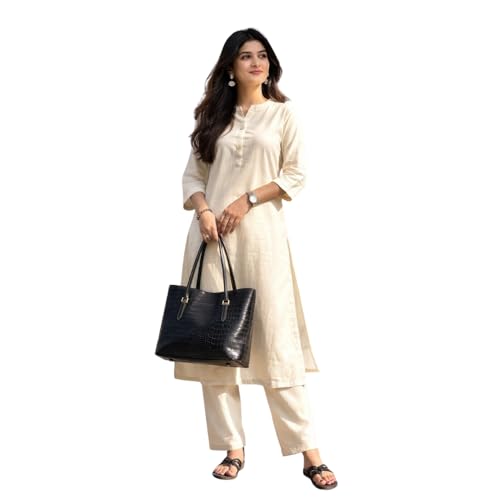
For daily operational comfort that retains high professional standards, structured suits and straight-cut kurtas are exceptional choices.
- Silhouette Architecture: Opt for long, straight-cut kurtas paired with tailored trousers, cigarette pants, or well-fitted palazzo. Avoid loose Anarkalis or heavy Patialas, which lean casual and disrupt a streamlined professional silhouette.
- Design & Neckline Restraint: Select subtle, elegant necklines (such as boat necks, collar necks, or classic V-necks) with zero heavy embellishments, sequins, or mirror work. Subtle hand loom prints, solid monochrome blocks, and delicate thread embroidery are ideal. Ensure the stole, if worn, is pinned neatly to one side to facilitate mono-tasking focus.
🥿 The Supporting Pillars: Footwear & Accessories
- Footwear Functional Architecture: Never finalize footwear purchases based on online digital carts alone without a live storefront walking test or returnable e-commerce options. Pair Western formal wear with leather pointed flats or structured block heels capped at 2 to 3 inches maximum. For ethnic corporate wear, classic leather bellies, elegant wedges, or formal open-toe block sandals match beautifully. Keep tones neutral (tan, black, nude, or deep brown) to preserve visual continuity.
- Accessory Restraint: Keep jewelry minimal to avoid bling and clanking noises. A single classic wristwatch, simple stud earrings, minimal bracelet and a delicate neck chain are sufficient. Your accessories should complement your presence, not distract the room during high-stakes project negotiations.
🧪 The Lab Report Summary
Corporate dressing is a powerful tool to reinforce an unique visual brand, blending individual’s personality and choices with the organizational culture and dress codes. Whether selecting a tailored Western suit or an elegant hand loom saree, maintaining structural alignment, color restraint, and absolute comfort is the ultimate key. When the visual presentation is flawless, the mind is fully freed to focus on high-impact intellectual execution.
For comprehensive, actionable blueprints on avoiding costly fit and footwear errors, read the Corporate Skills Lab guide to building a professional wardrobe and avoiding common errors for women here.
As an Amazon Associate, we earn from qualifying purchases at no extra cost to you.