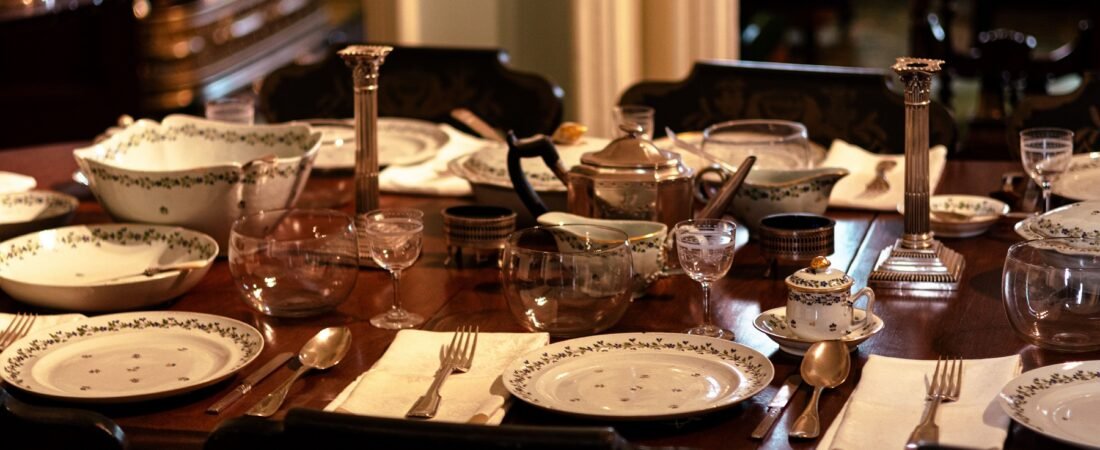
Many of the critical corporate handshakes, multi-million-dollar deals, and career-defining alignments don’t happen inside a glass boardroom only—often they happen over a dining table. A business lunch or corporate dinner is rarely just about food. It is a high-stakes setting where clients, seniors, and partners actively observe social intelligence, control, and character under relaxed conditions. How you conduct yourself while breaking bread with our without proper dining etiquette can instantly validate your professionalism or quietly sink a deal.
Forks and knives are incredibly common now, and the internet is flooded with standard Western dining rules. But what happens when the menu features something you never tried before, or it is a chef’s tasting menu at the city’s top high-end restaurant you have never been to before?
At the Corporate Skills Lab, we have structured a hybrid blueprint that blends essential corporate dining etiquette with the realities of business hospitality. Here are six rules to ensure your discussion remains fruitful while you enjoy your meal.
🔬 The Lab Report: 6 Business Dining Rules
- Do Thorough Research & Advanced Bookings if you are In-charge
In corporate hospitality, leaving things to chance is a severe operational risk. If you are responsible for hosting an outing, select a well-regarded, premium restaurant that is easily accessible to all attendees. [also read calendar invite etiquette]
We often fall into the casual trap of saying, “Let’s go to the usual place, and decide there itself”. Arriving with an important client or a senior executive only to stand outside in a crowded waiting line looks profoundly unorganized. Always make a confirmed reservation in advance, check dietary preferences (Vegan/Food Allergies) beforehand, and ensure the noise levels are low enough to host an actual conversation instead of drowning down in loud DJ noise.
- Avoid Experimenting New Foods to an extent
This doesn’t mean you need to change your lifestyle and go entirely boring for the day. You can absolutely enjoy available options to try out, or the most famous dish of the joint, however stick to standard dishes that won’t make you as AI on how to go about eating it (such as steaks, curries or fillets).
Trying to strip meat off a bone, dealing with a messy crab, or navigating fish bones requires excessive focus, compromises your hygiene, and disrupts the flow of your verbal conversation. Keep your food simple so your mind can stay on the business strategy.
- Practice Cutlery, but don’t Force It
If you are not regular or comfortable with using a Western fork and knife setup, a high-stakes client dinner is not the place to experiment. Trying to figure it out on the fly will make you look clumsy and self-conscious.
If you are unsure, modify your approach: hold the fork and knife firmly to handle the meal cleanly. Confidence and neatness matter infinitely more to your dining companions than trying to mimic complex European cutting styles incorrectly.
- Master Single-Handed Cleanliness (The Right-Hand Rule)
When consuming Indian breads like Naan, practice eating cleanly with your right hand only. Keep your left hand completely dry and free. Your left hand should rest comfortably on the table or in your lap, ready to be used exclusively for passing serving bowls, holding glasses, or handling clean tissues.
Furthermore, follow standard cultural courtesy: never allow your personal eating hand or utensils to touch a common serving spoon or shared platter. It is both a non-negotiable hygiene standard and a sign of respect in the Indian cultural context.
- Practice Consumption Moderation
No matter how incredible the food tastes, eat moderately and stop well before you feel full. Overeating induces physical lethargy, slows down your cognitive processing, and increases the risk of digestive discomfort during deep discussions.
If you have to head back to the office for data-heavy execution right after a lunch meeting, actively skip heavy portions of food. Keep your meal light to keep your mind sharp and active for post-meal decisions.
- Command Respect Through Server Interaction
How you treat restaurant staff is the ultimate litmus test of your emotional intelligence and character. A famous pop-culture reference states that you can instantly judge a prospective partner’s real personality by how they call out to a staff. Avoid noisy, disrespectful gestures like snapping your fingers, whistling, or clapping.
When your dedicated server arrives with water or menus, check their name tag or ask for their name politely. From that point on, address them respectfully by their name. If you need to grab the attention of another staff member, a simple, clear, and calm “Excuse me” paired with a polite hand gesture is the best standard to use.
🧪 The Lab Report Summary: The Final Verification
When the bill arrives, the dining etiquette rule is simple: the person who extended the invitation pays. If you are the host, handle the payment discreetly away from the table or hand your card to the server before the meal concludes to avoid any awkward, public calculation maneuvers in front of your clients. Treat every business meal as a boardroom alignment with a menu attached. And if the dinner is beyond a sit down and involves the “party” setup then be sure to follow corporate party etiquette detailed in our article.
As an Amazon Associate, we earn from qualifying purchases at no extra cost to you.