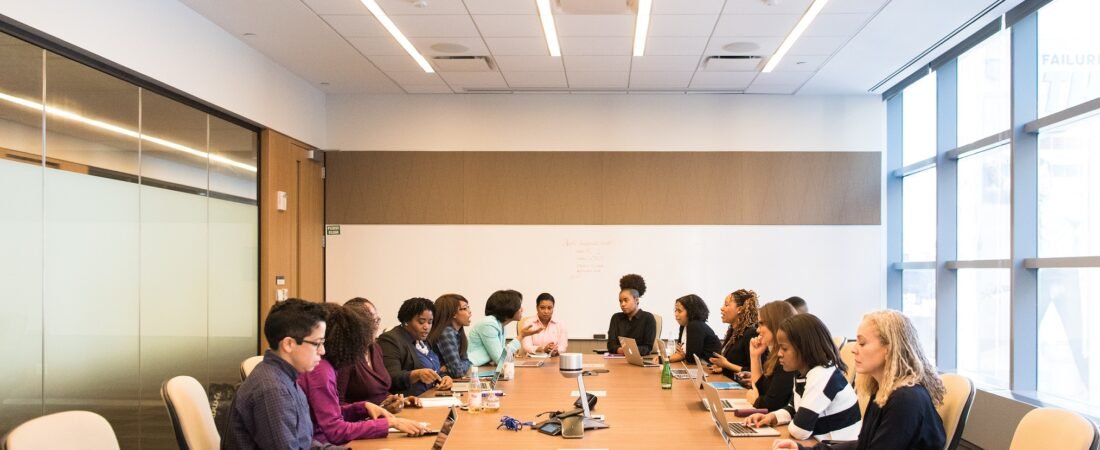
If there is one thing people across every level of the corporate ladder are short of, it is time. Yet, meetings and conference calls remain the central arena where decisions are made, leadership is demonstrated, and reputations are built over time. And thus proper meetings etiquette are the best way to maximize impressions.
Success in the workplace depends heavily on how effective we are in these collaborative spaces. The behavior inside a meeting room can greatly make or break one’s professional impression with their seniors, juniors, peers and clients alike.
At the Corporate Skills Lab, we have structured the baseline rules of meeting engagement into actionable frameworks. Here are 9 essential meetings etiquette rules to up the game in work effectiveness and accelerate growth through executive presence.
🔬 The Lab Report: 9 Meeting Effectiveness Rules
- Respect Time Boundaries Constantly
Time is a non-renewable currency. Plan, start, and end meetings strictly on time, even if it means some complex agenda items must be carried forward to a later sync. If a critical discussion requires an extension, do not just assume people can stay. Only extend the meeting after explicitly seeking everyone’s permission.
- Audit Your Subconscious Body Language
Avoid leaning back excessively, slouched relaxing, or fidgeting with objects. Everyone’s subconscious mind is actively judging each other’s posture. Our stance dictates our internal authority; a sharp, upright posture projects command, engagement, and readiness.
- Declare Note-Taking Material
Always enter a meeting with tools to capture inputs. Whether a classic diary and pen, digital devices like a laptop or smartphone, or AI note capturing tools, set expectations and seek permission early. If using a digital screen, clearly state to the room: “I am opening my laptop strictly to take notes for this session.” Otherwise, people will naturally assume they are multi-tasking and emotionally checked out of the room.
- Manage Personal Device Notifications
Keep phone on silent or vibration-free mode. If an emergency arises and must take an urgent call, do not disrupt the session. Politely excuse with a nod, step completely outside the room, and handle the conversation privately. Once done, join back in and apologize for the interruption.
- Regulate Voice and Tone
High-stakes meetings can spark intense disagreements. Keep cool and manage vocal modulation. Speak politely and focus on data-driven points rather than falling into heated, emotional arguments. The professional who remains steady always wins the room.
- Commit to Active Listening
The better listener is always at a massive structural advantage in corporate environments. Active listeners are naturally sought out by leadership because they process nuance before responding. Listening deeply makes it significantly easier to deliver a high-impact point when finally, we choose to speak.
- Say Something and Make it Useful
Sitting entirely quiet during a two-hour session without uttering a single word makes one invisible to leadership. One must contribute. Even if the current role is primarily to take the minutes of the meeting, assert presence at the end. State clearly: “To summarize our key action items today…” and deliver the takeaways in a loud, clear, and confident voice.
- Maintain Strategic Eye Contact
When someone is speaking, make direct eye contact with them. This signals respect and shared focus. The only exceptions to this rule are when the presenter is pointing at a slide deck data point, or when we are actively writing down notes. Spread eye contact across everyone in the room to build an inclusive presence.
- Monitor Food Consumption before Meetings
Watch what to eat before a major session! Consuming heavy dishes at lunch right before an afternoon meeting will inevitably induce drowsiness. Avoid sleep-inducing food groups and overeating entirely if you want to keep your energy levels high, sharp, and alert in the boardroom.
🧪 The Lab Report Summary: The Executive Presence Edge
Meetings are not a distraction from work—they are your work display. Implementing these nine meetings etiquette habits transforms regular meeting rooms into personal branding opportunities that showcase organizational discipline and leadership readiness. Also check out our tips on calendar invite etiquette when sending and receiving invites before the actual meeting.

As an Amazon Associate, we earn from qualifying purchases at no extra cost to you.