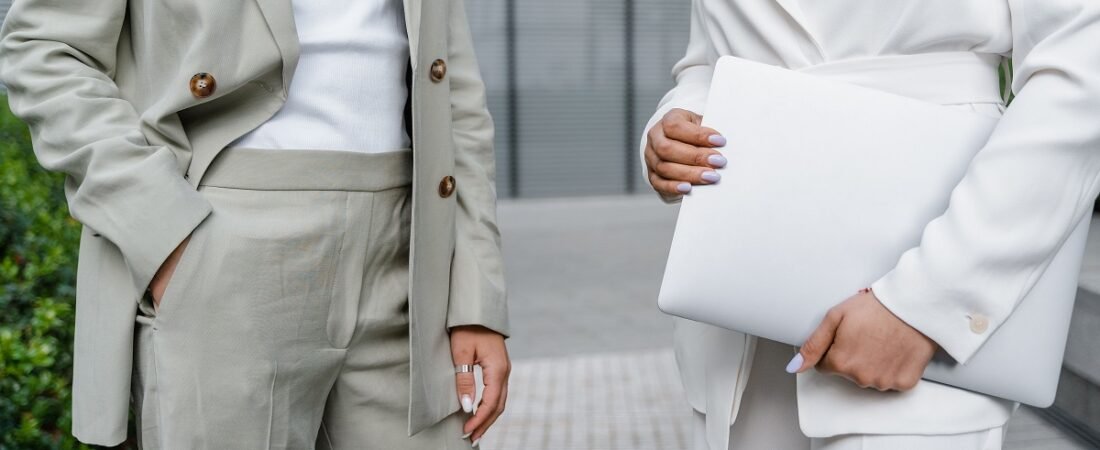
Does your organization maintain a distinct professional dress code? Navigating the modern workplace wardrobe can be an intricate balancing act. Deciding on a specific dress code for employees is a vital brand-building exercise for organizations. On an individual level, it is a personal branding power move.
The corporate floor is an undeniably visual ecosystem. What we wear forms the baseline framework of your executive presence before we even speak. While e-commerce platforms aggressively promote trending office wear, true boardroom authority does not come from chasing fleeting fast-fashion trends. It relies on structural fit, fabrics that breathe, and tactical styling coordination. For women professionals, this becomes an even more difficult or delicate task given they are challenging stereotypes and continuously breaking the glass ceiling.
At the Corporate Skills Lab, we treat personal presentation as a professional science and not just basics. So let’s review the 3 critical corporate dressing rules for women. The next time you go shopping—whether you are browsing online platforms or visiting premium boutiques—ensure you avoid these three common structural errors when building your corporate look.
🔬 The Lab Report: 3 Professional Dressing Errors
- Prioritizing Ultra-Fitted Cuts Over Silhouette Mobility
Every corporate label operates on its own proprietary sizing matrix. The most frequent operational error when choosing tailored blazers, trousers, or sheath dresses is evaluating the fit while standing completely still in front of a mirror.
- The Mobility Test: When trying on a formal blazer, button it completely, sit down in a chair, cross your arms and legs, and other postures you naturally sit in at work. If the fabric pulls tightly across your shoulders, waists etc. or restricts breathing, the garment fails. Try on a different style or size instead.
- The Strategy: Clothes that are too restrictive cause constant fidgeting and discomfort throughout a ten-hour workday, which subtly chips away at your internal confidence. If a standard off-the-rack size feels tight in certain zones, purchase one size larger and take it to a skilled tailor to customize the silhouette to your exact frame. Furthermore, understand your garment types; a structured, single-breasted blazer commands absolute authority in the boardroom, whereas an unlined, relaxed-fit trench coat sits beautifully in a casual office mixer or a hybrid workspace arrangement.
- Selecting Poor Fabric Logistics That Trap Heat
With the massive surge in online retail discount options, many professionals purchase formal blouses, coordinates, and dresses without checking the structural interior tag. Purchasing garments made of 100% cheap synthetic polyester or nylon is a severe corporate comfort error.
- The Material Law: Pure synthetics do not breathe. They lock in moisture, wrinkle easily under office seats, and significantly amplify body heat—which can lead to visible perspiration and acute discomfort during high-stress client presentations.
- The Execution: Prioritize high-performing, breathable blends like premium cotton, linen-blends, silk, or lightweight wool for structured suits. When managing trousers, always verify the interior lining quality to ensure it slides smoothly without causing static friction as you move through the open workspace.
- Purchasing Footwear Online Without Ergonomic Testing
The temptation of online discounts prompts many professionals to purchase formal heels or bellies purely based on their digital visual aesthetic. This is a massive risk. Two individuals with the identical shoe size can have completely different foot spans, arch distributions, and weight distributions.
- The Footwear Law: Never finalize a formal shoe purchase without physically walking in them inside a storefront, or trying out returnable options on the online marketplace. If the preference is high-heeled silhouettes, cap the height at a professional 2 to 3 inches maximum, ensuring a sturdy block or kitten shape rather than unstable stiletto spikes.
- The Dynamic Balance: A shoe that pinches the toes or lacks fundamental arch support alters posture, limits physical mobility across corridors, and drains cognitive focus. Keep the palette timeless with solid shades of black, deep nude, or navy. Pair them cleanly with dark, seamless, skin-toned hosiery or invisible low-cut liner socks if required. Avoid wearing vibrant, or patterned athletic footwear with professional cropped trousers, as it fractures the visual continuity of the silhouette.
🧪 The Lab Report Summary: The Final Verification of Corporate Dressing Rules for Women
Investing your budget into high-quality fabric structures and precise tailoring guarantees that your corporate attire serves as an authentic performance asset rather than an administrative distraction. Corporate dressing rules for women is not just about right or wrong, in fact there are none. It is more so about building a solid personal brand while projecting alignment with the company brand story.
The psychological impact of your wardrobe configuration is heavily documented by modern behavioral science. An extensive research analysis indexed on PubMed demonstrates that your clothing selections systematically influence your internal cognitive processing, focus metrics, and self-perceived authority—a psychological mechanism known as enclothed cognition. When your professional fit is seamless, your internal confidence levels naturally follow suit. The next time you walk into a high-stakes business environment, an immaculate visual brand will allow you to command the room with a seamless blend of style and absolute authority.

As an Amazon Associate, we earn from qualifying purchases at no extra cost to you.