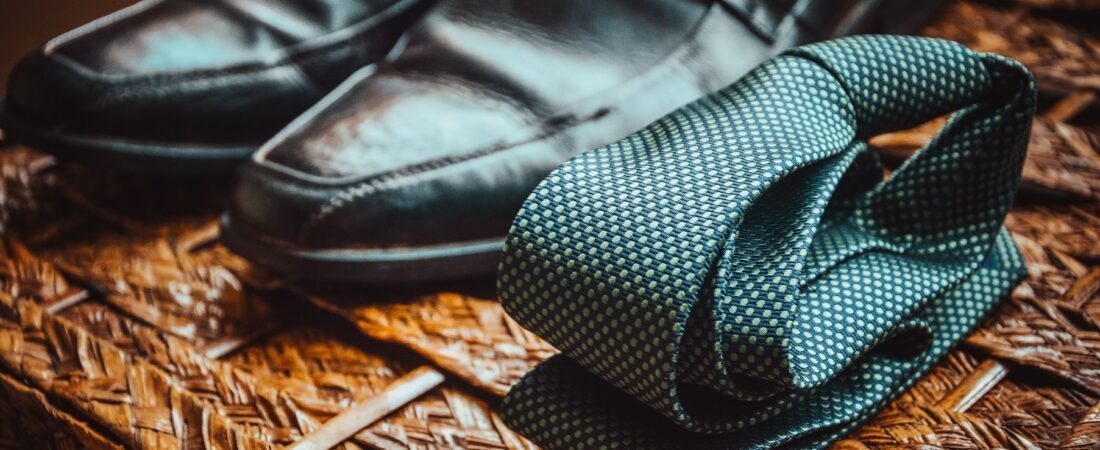
Does your company mandate wearing a tie to work? Of course, it isn’t just about the tie—it is about everything else that goes with it. It is particularly common in consulting firms. Deciding on a specific dress code for employees is a vital brand-building exercise for organizations. On an individual level, it is a personal branding power move.
But this article is not just about ties. In fact, it is not about a tie at all. The corporate floor is a visual environment. What we wear forms the baseline framework of our executive presence before we even open our mouths to speak. Many e-commerce advertisements heavily highlight the importance of clothing choices, but buying a premium label isn’t enough. True authority and executive presence come down to structural fit, comfort, and operational execution.
At the Corporate Skills Lab, we treat personal presentation as a science. The next time you go shopping—whether you are browsing online platforms or stepping into physical retail outlets—ensure to avoid these three common errors professionals make when building their formal wardrobe.
🔬 The Lab Report: 3 Common Professional Dressing Errors
- Overlooking Shirt-Collar Architecture and Type
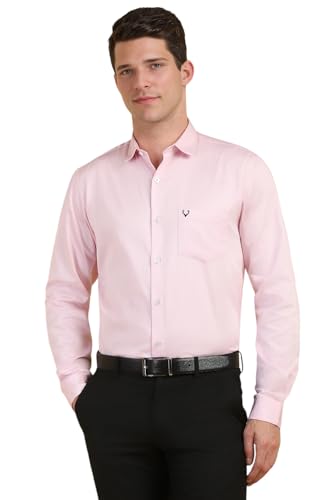
Every clothing brand operates on its own signature sizing matrix and fit parameters. The most frequent operational error is evaluating a formal dress shirt while leaving the collar button unfastened despite putting on a tie.
- The Fit Test: When testing a shirt, you must fasten the top collar button completely. Insert the index and middle fingers between the fabric and neck. An immaculate fit must leave a strict 1-to-2 finger gap.
- The Strategy: If the spacing is too tight, fastening a tie turns into a restrictive, highly uncomfortable experience, causing one to constantly adjust their collar throughout the day. If a standard size doesn’t sit perfectly, purchase a shirt one size up and take it to a master tailor for a customized profile trim. Additionally, research collar profiles; a classic spread collar commands boardroom authority, whereas a button-down collar leans casual and is better suited for a casual office mixer or a hybrid work environment. Explore our tactical guide on mastering corporate party etiquette to manage social boundaries cleanly here.
- Purchasing Trousers with Zero Waistline Margin
Buying formal trousers that fit perfectly at the absolute limit of the fabric is an invitation for future garment failure. Do not purchase a waist size based on the fantasy that one day you will drop weight because you recently signed up for a gym membership. Conversely, do not buy a skin-tight fit assuming the fabric can easily be expanded later without checking the interior build.
- The Execution: When purchasing trousers, verify that there is a 2-inch fabric margin left inside the back seam. When handing the garment over for alteration, explicitly instruct the attendant to ensure this interior margin is never cut or discarded. The smartest operational choice is to purchase one size larger, have it tailored precisely down to the current size, and leave the interior margin fully intact to handle future body fluctuations smoothly.
- Procuring Formal Shoes Online Without Store Verification
The explosion of online cashback discounts and digital promotions prompts many professionals to purchase leather footwear blindly via digital carts. This is a significant risk. Foot structure varies wildly across individuals; two people sharing a standard shoe size can have entirely different arch heights, step volumes, and width metrics. Just ordering something because it is a bestseller or currently “in” fashion may likely end up sitting in a corner unused at home.
- The Footwear Law: Never finalize a formal shoe purchase without physically trying it on in a storefront first. Prioritize high-quality, laced leather shoes in deep brown or solid black, ensuring they feature highly cushioned, supportive insoles.
- The Visual Cohesion Rule: While at the outlet, purchase a leather dress belt from the exact same brand or color profile to ensure the leather tones of the shoe and belt match seamlessly. Finally, permanently banish white athletic socks from the formal wardrobe array. White socks belong on a sports field; pairing them with a dark corporate suit breaks visual continuity and compromises style. Try and opt for dark, calf-length socks that match the tone of your trousers.
🧪 The Lab Report Summary: The Final Verification
Even if you bypass off-the-rack choices and opt entirely for bespoke, tailor-made clothing assets, discuss these exact fit and fabric margins with designer before production begins. Investing in structural precision guarantees that hard-earned capital is utilized optimally rather than wasted.
The psychological impact of clothing on our professional performance is verified by behavioral science. An extensive research analysis (Adam, H., & Galinsky, A. D. (2012). Enclothed cognition. Journal of Experimental Social Psychology, 48(4), 918–92) details that what we wear directly influences our cognitive processing, confidence levels, and perceived authority—a concept known as enclothed cognition. When we look immaculate, our internal confidence surges.
So the next time your organization mandates a formal dress code, your flawless fit will allow you to wear a tie effortlessly, and a confident smile with it.

As an Amazon Associate, we earn from qualifying purchases at no extra cost to you.